Museum Atlas Egypt
Accessible and family museum planning
Questions to verify, ways to reduce overload, and a calmer museum rhythm for mixed-needs groups.
Ask before promising
Access information is only useful when it is current
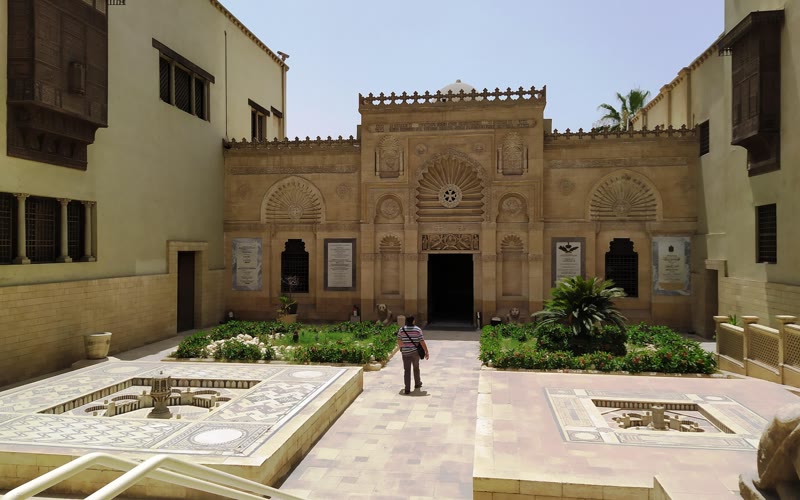
Do not infer access from a photograph of the entrance. Confirm the complete visitor route—from arrival and security to galleries, toilets, rest areas and exit.
Trace the full route
Ask about drop-off, surfaces, ramps, lifts, door widths, seating and any route that bypasses stairs.
Identify intense spaces
Check crowds, low light, sound, enclosed halls and whether a quiet break or re-entry is possible.
Confirm assistance
Ask about companion policies, wheelchairs, accessible toilets, guides and the language of on-site support.
Family pacing
Build a mission, not a marathon
Children often remember one object, one material and one good question more clearly than an entire gallery checklist.
- 01Choose a theme: animals, writing, boats, clothing, kingship or craft.
- 02Set a short first loop and decide where the rest break will happen.
- 03Stop before attention collapses. A shorter positive visit is a complete visit.
Questions to send the museum
- Is the step-free route open on the intended date, and where does it begin?
- Which entrances, lifts or galleries may be temporarily unavailable?
- Are wheelchairs or other mobility aids available, and can they be reserved?
- Is there seating throughout the route and an accessible toilet inside security?
- Can a visitor leave and re-enter after a sensory or medical break?
- What rules apply to medication, food, water and essential support equipment?
Use a direct answer
General marketing language such as “accessible museum” is not enough for a specific need. Contact the venue through the current official channel and describe the exact route or support required.