Collection dossier · Reviewed 27 July 2026
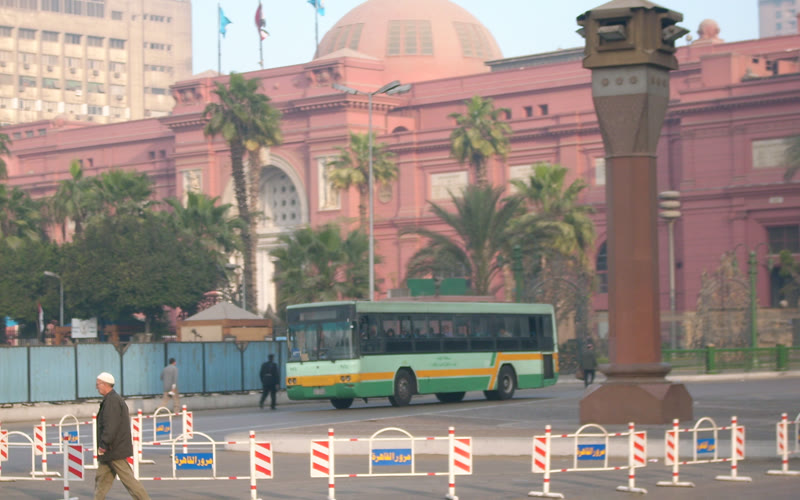
Designed by Marcel Dourgnon and opened in 1902, the museum is itself part of the history of archaeology and collecting in Egypt. Its dense rooms and historic display style encourage close object-to-object comparison in a way that differs from newer institutions.
What sets this museum apart
Tahrir is valuable not because it duplicates GEM, but because it offers a different encounter: dense rooms, long sightlines and object-to-object comparison across periods. Transfers to GEM and NMEC mean old guidebook checklists can be unreliable.
Three ways to read the collection
Early kingship
The Narmer Palette and early royal sculpture help frame how images, writing and authority developed. Always verify which objects are currently displayed.
Burial beyond one pharaoh
Funerary groups such as those associated with Yuya and Thuya or the royal burials at Tanis show changing materials and ideas across time.
The museum as evidence
Historic cases and dense arrangements reveal how earlier generations classified Egypt's past. Read the room as well as the objects.
How to pace the visit
Choose two priorities before entering—for example early dynastic material and Middle Kingdom sculpture. Walk the ground floor once to understand the building, then return to those priorities. Leave buffer for security, central Cairo traffic and possible gallery changes.
Who will get the most from it
Choose Tahrir if you enjoy close object comparison, historic museums or a less linear display. It can overwhelm visitors who expect a short highlights trail, so a focused plan matters.
Verify before you go
Check opening status, current ticket rules, bag restrictions, photography conditions and object locations through the Ministry museum profile before travel.
Sources reviewed 27 July 2026: Ministry profile: Egyptian Museum ↗. Operational details are intentionally not copied. Image: Ashashyou, CC BY-SA 3.0, via Wikimedia Commons.