Collection dossier · Reviewed 27 July 2026
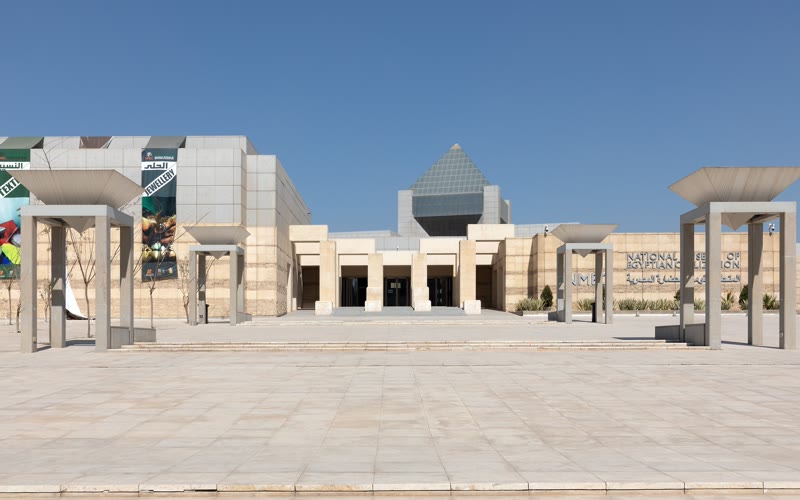
NMEC was developed to tell the history of Egyptian civilization across a much wider span than ancient dynasties alone. Its main exhibition and the Royal Mummies Hall became major public reference points in 2021.
What sets this museum apart
The museum's central strength is synthesis. It connects technology, belief, daily life, crafts and state formation across ancient, Coptic, Islamic and modern periods. That makes it an effective first museum for readers who need a timeline before specialist collections.
Three ways to read the collection
Civilization, not one dynasty
Follow changes in settlement, work, writing, belief and material culture rather than moving only from king to king.
Royal Mummies Hall
Approach the hall as a carefully interpreted encounter with human remains and the history of mummification. Follow all conduct and photography rules.
Fustat context
The museum's location makes it a useful anchor for understanding Old Cairo, early Islamic Fustat and nearby Coptic heritage.
How to pace the visit
Start in the main chronological display. The sequence gives vocabulary and context before the Royal Mummies Hall. Schedule a quiet pause afterwards rather than rushing directly into another intense gallery. Allow additional surface transport time from Mar Girgis metro.
Who will get the most from it
Choose NMEC for a clear cross-period overview, for teenagers who benefit from a narrative structure, or as the first stop before Coptic and Islamic collections.
Verify before you go
Confirm current hall access, ticket conditions, photography rules, accessibility arrangements and transport advice on NMEC's official website.
Sources reviewed 27 July 2026: NMEC official website ↗ · Ministry profile: NMEC ↗. Operational details are intentionally not copied. Image: Roland Unger, CC BY-SA 4.0, via Wikimedia Commons.