Collection dossier · Reviewed 27 July 2026
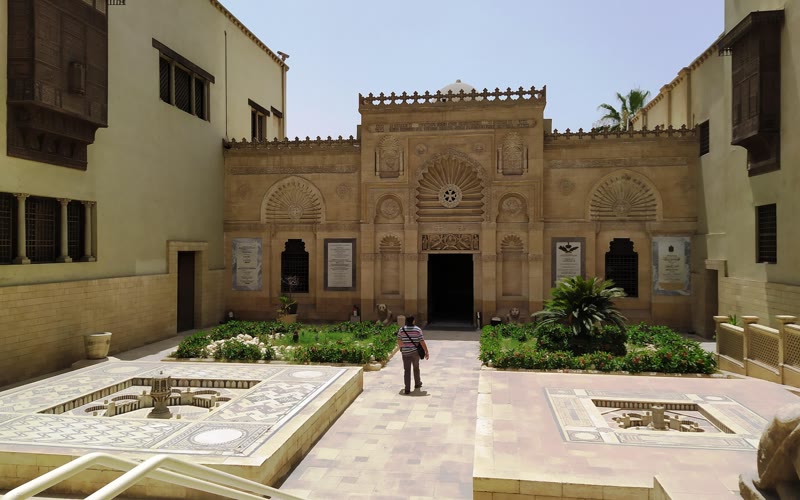
Marcus Simaika Pasha founded the museum in 1910 to preserve Coptic antiquities and architectural elements gathered during church restoration. Its setting within Old Cairo makes the museum and surrounding monuments part of one historical landscape.
What sets this museum apart
The museum makes visible the long transformation of visual culture in Egypt. Carved wood, textiles, wall painting, manuscripts and stonework carry ideas between pharaonic, Hellenistic, Roman, Byzantine, Coptic and later Egyptian contexts.
Three ways to read the collection
Textiles as historical records
Pattern, clothing and woven imagery reveal trade, belief and daily life. Slow looking often yields more than chasing a single famous object.
Language and the book
Manuscripts connect Coptic language, scripture, scholarship and the survival of ancient Egyptian linguistic traditions.
Architecture reassembled
Carved screens, capitals and doors preserve materials from buildings that changed or disappeared. Read them as fragments of lived spaces.
How to pace the visit
Arrive while attention and daylight are good, then move through media rather than strictly by room number. After the museum, take a separate break before entering nearby churches. Mar Girgis metro is useful, but surfaces and access conditions should be checked.
Who will get the most from it
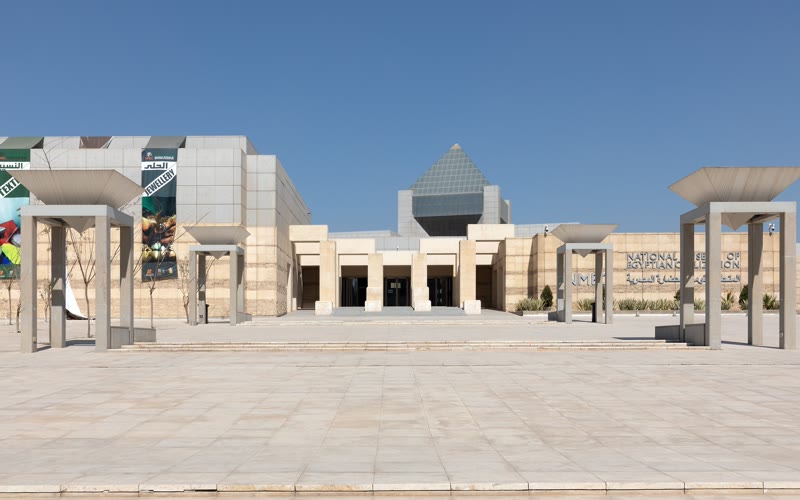
Choose the Coptic Museum for cross-period history, material culture, book arts or a deeper Old Cairo day. It is especially rewarding after NMEC has supplied a broad timeline.
Verify before you go
Check current opening conditions, ticketing, photography, access arrangements and restoration closures through the official Ministry profile.
Sources reviewed 27 July 2026: Ministry profile: Coptic Museum ↗. Operational details are intentionally not copied. Image: Radosław Botev, CC BY 3.0 PL, via Wikimedia Commons.