Collection dossier · Reviewed 27 July 2026
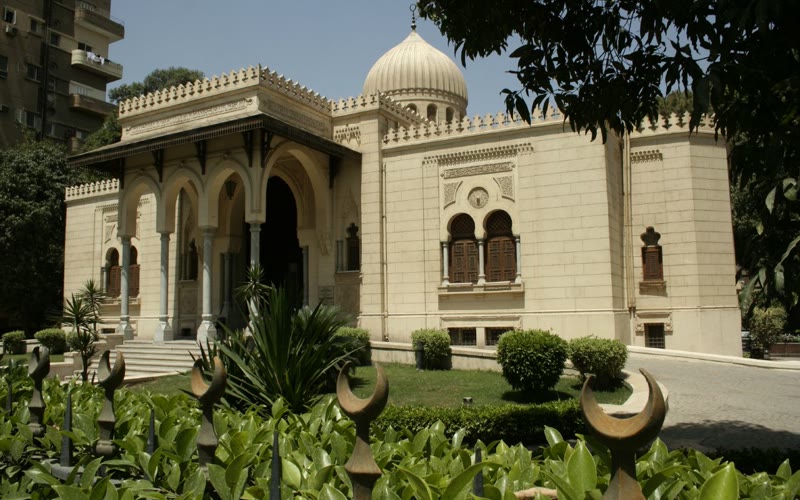
Collection building began in the nineteenth century, and the present Bab al-Khalq building opened in 1903. An explosion seriously damaged the facade and galleries in 2014; after restoration, the museum reopened in 2017.
What sets this museum apart
This is not a footnote to an ancient-Egypt itinerary. The collection spans many regions, periods and techniques of Islamic art. It rewards visitors who compare how one material—metal, glass, ceramic, wood or textile—changes across time and place.
Three ways to read the collection
Materials carry knowledge
Look for the decisions behind an object: firing, inlay, carving, weaving, enamelling and repair. Technique links courtly works to daily life.
Writing as image
Qur'anic manuscripts, inscriptions and objects show calligraphy functioning as language, devotion, design and authority.
Cairo in a wider world
Objects connect Egypt with the Mediterranean, Africa, the Middle East and Asia. Avoid reducing the galleries to one national style.
How to pace the visit
Choose two materials before entering and follow them through the galleries. This reduces visual fatigue and makes comparison possible. Build in extra transport time around central Cairo and avoid pairing the museum with a rushed Giza transfer.
Who will get the most from it
Choose MIA for design, architecture, craft, manuscripts or anyone whose Egypt itinerary has become too exclusively pharaonic.
Verify before you go
Use the museum's official website and Ministry information to confirm opening, entry, current galleries, photography and any temporary exhibition access.
Sources reviewed 27 July 2026: Museum of Islamic Art official website ↗ · Ministry profile: Museum of Islamic Art ↗. Operational details are intentionally not copied. Image: Richard Avis, CC BY-SA 2.0, via Wikimedia Commons.