Collection dossier · Reviewed 27 July 2026
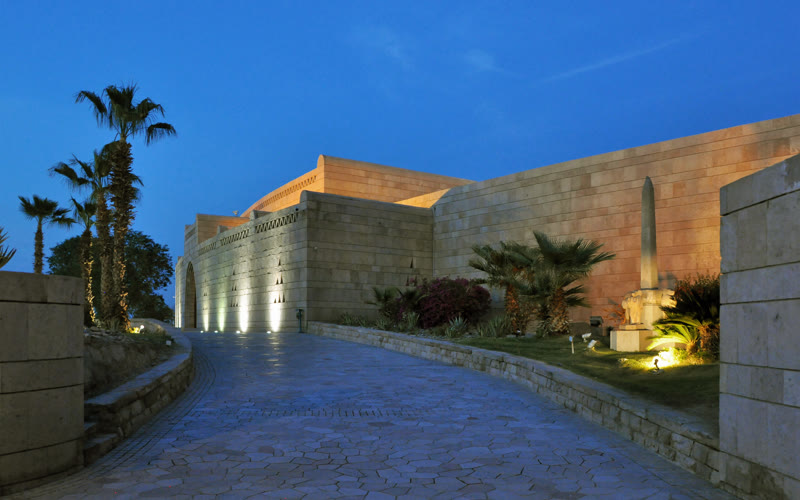
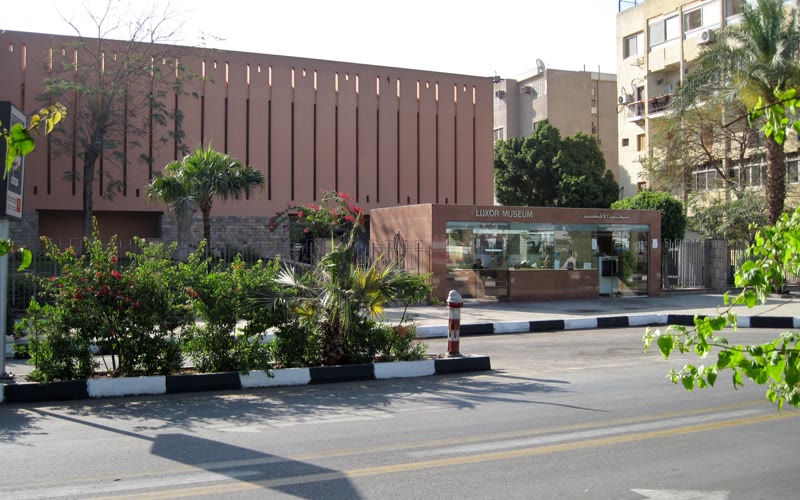
Opened in 1975, the museum was designed as a selective presentation of discoveries from ancient Thebes and its region. Its smaller scale and controlled displays contrast with the density of older archaeological museums.
What sets this museum apart
Luxor Museum works best as a bridge between sites. Sculpture, the Luxor Temple statue cache, material associated with royal burials and reconstructed architectural elements help connect objects to the temples and valleys around the modern city.
Three ways to read the collection
Thebes as a connected landscape
Relate objects to Karnak, Luxor Temple and the West Bank rather than treating the museum as a self-contained treasury.
Sculpture and presence
Careful lighting and space around figures make pose, surface, repair and scale easier to study.
Architecture in fragments
Reconstructed talatat blocks associated with Akhenaten demonstrate how archaeology can rebuild an image from dispersed pieces.
How to pace the visit
Use the museum after one major temple, not after an entire day of monuments. Its compact sequence can clarify what you have seen outdoors. Pairing it with a Corniche walk or Luxor Temple is usually more realistic than crossing the Nile for another dense itinerary.
Who will get the most from it
Choose Luxor Museum for a concise, well-paced collection or to deepen an East Bank day. It is a strong choice for visitors who find huge museums exhausting.
Verify before you go
No dedicated current visitor-information page was confirmed during our review. The linked Ministry note describes the collection, but it does not publish hours or ticket rules. Confirm current hours, evening access, admission and photography through a current Ministry channel before setting the day's sequence.
Read the official Ministry collection note ↗Collection context only · not a current hours or ticket page
Sources reviewed 27 July 2026: Ministry collection note: Luxor Museum ↗ · Historical reference: The New York Times, 18 January 1981 ↗. Operational details are intentionally not copied. Image: Olaf Tausch, CC BY 3.0, via Wikimedia Commons.