Collection dossier · Reviewed 27 July 2026
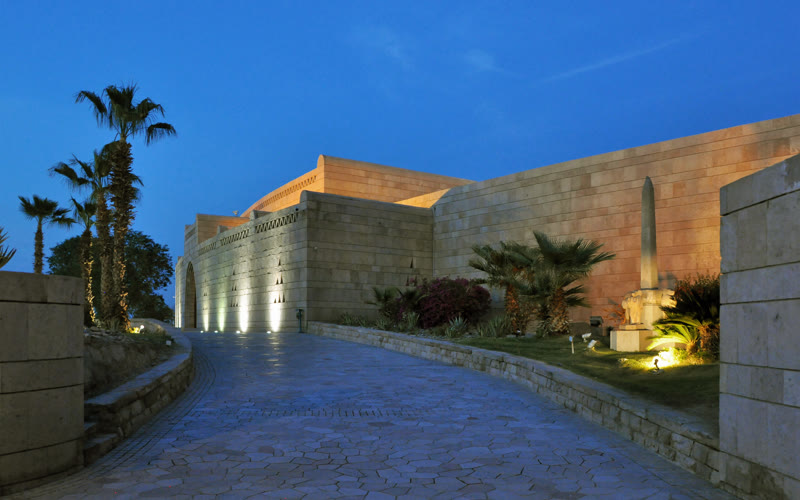
The museum emerged from the international UNESCO campaign to document and rescue Nubian heritage threatened by the construction of the Aswan High Dam. Mahmoud Al-Hakim's architecture and the landscaped grounds make environment part of the museum story.
What sets this museum apart
Nubia Museum challenges the idea that southern Egypt is simply an extension of a Nile itinerary written from Cairo. Archaeology, language, domestic life, crafts, displacement and landscape are presented as parts of a distinct, connected history.
Three ways to read the collection
The Nile and movement
Follow how river geography shaped settlement, trade, kingdoms and the movement of people and monuments.
Rescue archaeology
The UNESCO campaign preserved sites and records while communities experienced irreversible displacement. Hold both histories together.
Living Nubian culture
House forms, crafts, oral tradition and music should not be read as a culture frozen in the archaeological past.
How to pace the visit
Give the indoor galleries and outdoor garden separate attention. In warm weather, plan the landscape portion for a cooler part of the visit. Do not treat the garden as a decorative exit: reconstructed environments and archaeological fragments extend the narrative.
Who will get the most from it
Choose Nubia Museum for regional depth, social history, architecture or an Aswan visit that goes beyond monuments and river views.
Verify before you go
Confirm opening, garden access, photography and accessibility through the official Ministry profile, especially around heat, holidays and maintenance.
Sources reviewed 27 July 2026: Ministry profile: Nubia Museum ↗. Operational details are intentionally not copied. Image: Marc Ryckaert, CC BY 3.0, via Wikimedia Commons.